
 By admin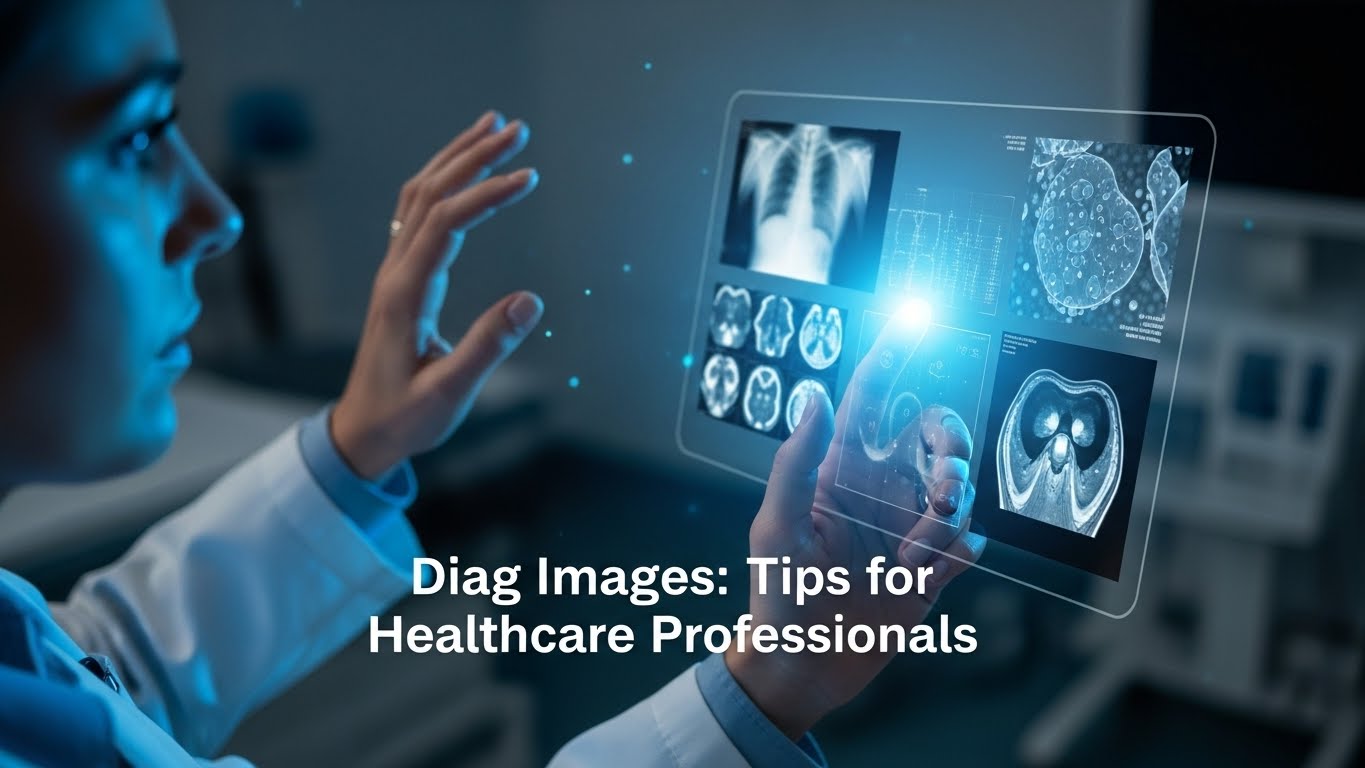
In today’s fast-paced healthcare landscape, diagnostic imaging plays a crucial role in patient care. From identifying fractures to spotting tumors, diag images are essential tools that help healthcare professionals make informed decisions. As technology advances, the quality and accessibility of these images continue to improve, allowing for more accurate diagnoses and better treatment plans. But with all this potential comes the responsibility of ensuring that these images are captured accurately and managed effectively. Whether you’re a seasoned radiologist or just starting out in your medical career, understanding the nuances of diag images is vital for delivering top-notch healthcare services. Let’s dive into what makes diagnostic imaging so important and how you can enhance your practices to elevate patient outcomes.
Importance of Diagnostic Imaging in Healthcare
Diagnostic imaging serves as a cornerstone of modern healthcare. It provides essential insights that guide medical professionals in diagnosing and treating various conditions.
With techniques like X-rays, MRIs, and CT scans, doctors can visualize the internal structures of the body. This ability aids in identifying diseases early when they are most treatable.
Moreover, diagnostic imaging enhances patient safety. By allowing for non-invasive examinations, it reduces the need for exploratory surgeries. This leads to quicker recoveries and less risk overall.
Accessing high-quality diag images can also improve communication among healthcare teams. Radiologists and specialists can collaborate effectively by sharing precise visuals, ensuring optimal patient care.
As technology evolves, so does the accuracy of these images. Enhanced clarity not only bolsters diagnosis but also fosters trust between patients and providers in their treatment journey.
Types of Diagnostic Images
Diagnostic imaging encompasses various techniques that help visualize the internal structures of the body. Each type serves a unique purpose, catering to specific medical needs.
X-rays are among the most common diagnostic images. They offer quick insights into bones and certain soft tissues. This method is essential for detecting fractures or identifying infections in the lungs.
Ultrasound uses sound waves to generate real-time images. It’s particularly valuable in obstetrics and examining organs like the heart and kidneys due to its safety profile.
CT scans provide detailed cross-sectional views of internal organs using X-ray technology combined with computer processing. This technique aids in diagnosing tumors, blood clots, and other complex conditions.
MRI excels at providing high-resolution images of soft tissues without radiation exposure. It’s indispensable for neurological assessments or joint injuries.
Each imaging modality plays a pivotal role in effective patient management, guiding physicians toward accurate diagnoses tailored to individual cases.
Tips for Accurate and High-Quality Diagnostic Images
To achieve accurate and high-quality diagnostic images, attention to detail is key. Start with proper equipment calibration. Ensure that your imaging devices are regularly maintained and calibrated according to manufacturer guidelines.
Patient positioning plays a crucial role as well. Make sure patients are comfortably positioned, reducing movement during the scan for clearer images.
Utilize appropriate settings specific to the type of diag image being taken. Adjust exposure levels based on patient size and clinical requirements to prevent overexposure or underexposure.
Consider using contrast agents when necessary. These can enhance visibility of certain structures within the body, leading to more informative results.
Continuous education is essential. Stay updated with advancements in imaging techniques and protocols through workshops or online courses for consistent improvement in image quality.
Common Challenges in Obtaining Quality Diag Images and How to Overcome Them
Obtaining high-quality diag images can be challenging for many healthcare professionals. One common issue is patient movement during imaging procedures, leading to blurred results. Strategies such as clear communication and using immobilization devices can help minimize this problem.
Another challenge is inadequate equipment calibration. Regular maintenance checks are essential to ensure that diagnostic machines operate at optimal levels. Training staff on proper usage techniques also plays a crucial role in achieving accurate images.
Environmental factors, like lighting and room setup, may impact image quality too. Creating a controlled environment with appropriate settings helps mitigate these effects.
Software limitations can hinder the processing of diag images. Investing in advanced imaging technologies will enhance image clarity and provide more reliable diagnostics for patients. Emphasizing continuous education keeps practitioners updated on best practices in obtaining superior quality diag images.
The Role of Technology in Improving Diag Image Quality
Technology plays a pivotal role in advancing diag image quality. Innovations such as digital imaging techniques have transformed traditional methods, providing sharper and more detailed visuals.
Artificial intelligence is also making waves. AI algorithms can analyze images swiftly, identifying anomalies that might be missed by the human eye. This boosts diagnostic accuracy and speeds up decision-making.
Moreover, cloud storage solutions allow healthcare providers to access high-quality diag images from anywhere. Instant sharing among specialists enhances collaboration and improves patient outcomes.
Advanced software tools are available for image enhancement too. They enable professionals to manipulate images for better clarity, ensuring that even subtle details are visible during analysis.
As technology continues to evolve, so will the standards of diag imaging, paving the way for more precise diagnostics and treatment plans tailored to individual needs.
Best Practices for Storing, Managing, and Sharing Diag Images
Storing diag images requires a robust system. Utilize cloud storage solutions that offer encryption for security. This ensures patient data remains confidential while being easily accessible.
Organizing files is equally important. Use standardized naming conventions and categorization to streamline retrieval. It saves time during critical moments.
When sharing images, ensure compliance with regulations such as HIPAA. Secure platforms should always be used for transmitting sensitive information.
Regular backups are essential too. Schedule automatic backups to prevent data loss from hardware failures or other unexpected issues.
Training staff on best practices enhances overall efficiency in managing diag images. Everyone should understand the importance of maintaining quality and privacy standards throughout the process.
Conclusion: The Future of Diag Images in Healthcare
The future of diag images in healthcare is bright and full of potential. As technology continues to advance, the quality and accessibility of diagnostic imaging will only improve. Innovations such as artificial intelligence are already transforming how images are analyzed, leading to faster diagnoses and better patient outcomes.
Healthcare professionals can expect more integrated systems that allow for seamless sharing and management of diag images across various platforms. This not only enhances collaboration among specialists but also elevates patient care by ensuring timely access to critical information.
As we look forward, continuous education on emerging technologies will be essential for healthcare providers. Staying updated with best practices will empower professionals to leverage these advancements effectively.
The evolution of diag images promises a new era in healthcare—one where precision medicine becomes standard practice, ultimately benefiting patients everywhere through enhanced diagnosis and treatment options.