
 By admin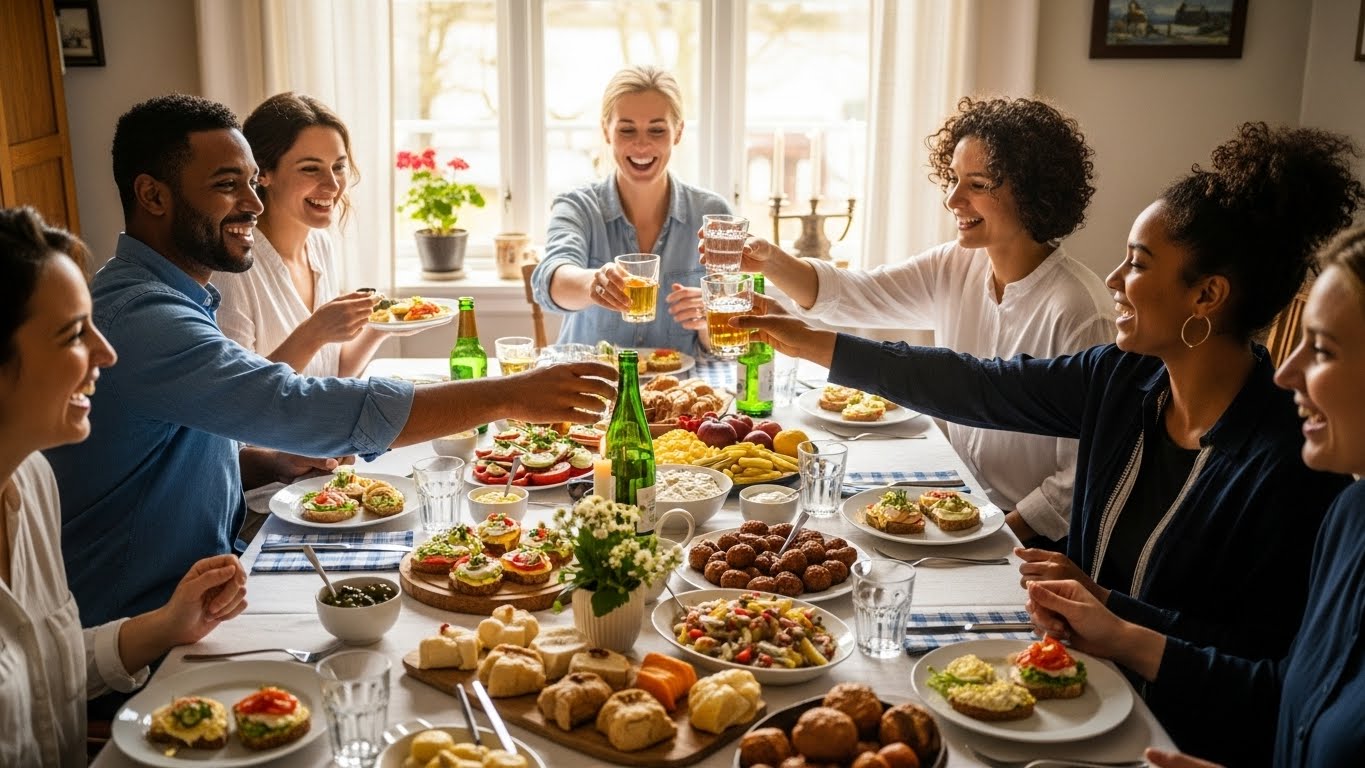
Sweden is known for its stunning landscapes, innovative design, and rich history. But one of the country’s most delightful cultural gems lies in its approach to meals—specifically, Bjudlunch. This unique tradition transcends mere dining; it embodies a sense of community and belonging that brings people together over good food. Picture this: friends and family gathered around a table, sharing stories while savoring delicious homemade dishes. It’s not just about filling stomachs; it’s about nurturing connections.
In this blog post, we’ll delve deep into the world of Bjudlunch, exploring its historical roots and significance in Swedish society today. Whether you’re considering hosting your own Bjudlunch or simply curious about how meal-sharing reflects cultural values, there’s something here for everyone! Let’s embark on this flavorful journey through Sweden’s cherished culinary practice.
The History and Traditions of Sharing Meals in Sweden
Sharing meals has deep roots in Swedish culture, extending back to ancient times. Traditionally, gatherings around the table symbolized community and togetherness.
In rural areas, families often came together after a long day of work. They would share hearty dishes prepared from local ingredients. This practice fostered bonds and reinforced family ties.
With the passage of time, these intimate meals evolved into larger celebrations. Festivals and holidays saw friends and extended family gathering to enjoy traditional foods like herring or meatballs.
As urbanization took hold, Bjudlunch emerged as a modern twist on this age-old tradition. It invites not just friends but also colleagues to partake in shared culinary experiences at lunchtime.
This blend of history with contemporary practices showcases Sweden’s commitment to nurturing relationships through food. The essence remains unchanged: sharing a meal is an act of connection that transcends generations.
The Role of Bjudlunch in Swedish Society
Bjudlunch serves as a vital social glue in Swedish culture. It’s more than just a meal; it embodies warmth and connection among family, friends, and colleagues.
When people gather around the table for Bjudlunch, they share stories and laughter. These moments strengthen bonds that might otherwise fade in busy daily life.
This tradition also fosters inclusivity. Inviting someone to lunch is an open gesture of friendship and hospitality. It’s not uncommon for acquaintances to become lifelong friends over shared dishes.
In workplaces, Bjudlunch promotes teamwork and camaraderie. Colleagues come together to enjoy homemade delicacies while discussing projects or celebrating milestones.
Additionally, it highlights Sweden’s culinary heritage. Each gathering showcases local ingredients and traditional recipes, keeping cultural practices alive through generations. Such meals create lasting memories that reflect the essence of Swedish society—community-focused with an emphasis on togetherness.
Benefits of Participating in Bjudlunch
Participating in a Bjudlunch is more than just enjoying good food; it fosters connections. Sharing a meal allows people to bond over shared stories and laughter, creating lasting memories.
The experience also promotes cultural understanding. Guests get a taste of traditional Swedish cuisine, often prepared with care by the host. This culinary exchange opens up conversations about recipes and family traditions.
On top of that, Bjudlunch encourages community spirit. It brings together friends, neighbors, and even acquaintances in a warm atmosphere where everyone feels welcome.
Additionally, attending such gatherings can enhance your social skills as you navigate various interactions while savoring delightful dishes. It’s an enriching opportunity to meet new people who might become lifelong friends or collaborators.
Sharing meals can reduce stress and bring joy into daily life—something we all need amidst our busy routines.
How to Host or Attend a Bjudlunch
Hosting a Bjudlunch is all about warmth and hospitality. Start by choosing a comfortable setting, whether it’s your home or a cozy outdoor space. Make sure to create an inviting atmosphere with simple decorations like fresh flowers or candles.
When planning the menu, consider traditional Swedish dishes. Offer a blend of flavors that reflect local cuisine—think herring, meatballs, and crispbread. Don’t forget dessert; something sweet will elevate the meal experience.
If you’re attending one instead, bring along a small gift for your host—a bottle of wine or homemade pastries can be thoughtful choices. Dress comfortably but nicely; making an effort shows respect for the occasion.
Engage in conversations during the meal. Sharing stories enhances connections and enriches this cultural practice. Embrace the moment as it unfolds around you—it’s more than just food; it’s about coming together over shared experiences.
Personal Experiences and Stories
Attending a Bjudlunch is always an adventure. One sunny afternoon, I found myself at a friend’s home in Malmö, surrounded by laughter and the aroma of freshly baked bread.
The table was adorned with traditional Swedish dishes—herring, meatballs, and creamy potato salad. Each bite brought back memories of my first visit to Sweden years ago.
As we passed around homemade pastries for dessert, stories flowed freely. We shared tales about our childhoods, travel mishaps, and dreams for the future.
There’s something magical about breaking bread together; it transforms strangers into friends instantly. The warmth of hospitality was palpable as everyone contributed to the meal in some way.
That day taught me more than just recipes—it highlighted the essence of connection that Bjudlunch embodies within Swedish culture. It’s not merely about food; it’s about community and shared experiences that linger long after plates are cleared.
Comparing Bjudlunch to Other Cultural Meal Sharing Practices
Bjudlunch stands out among global meal-sharing traditions. In many cultures, meals symbolize community and connection. Yet, Bjudlunch has a unique charm rooted in Swedish hospitality.
Take the Italian “Festa,” for instance. It’s vibrant and festive, bringing families together with an abundance of food and laughter. While both celebrate togetherness, Bjudlunch tends to be more intimate—often centered around close friends or colleagues.
In contrast, the Mexican “Quinceañera” involves elaborate celebrations marking a girl’s transition into womanhood. This focus on significant life events differs from the casual gatherings typical of Bjudlunch.
Spanish tapas culture emphasizes sharing small plates in social settings—much like Bjudlunch allows diners to enjoy multiple dishes buffet-style. However, it often lacks the structured seating arrangement that characterizes a traditional Bjudlunch experience.
While these practices share core values of connection and joy through food, each offers distinct flavors of cultural expression.
Conclusion:
Embracing the tradition of Bjudlunch is about more than just sharing a meal. It’s an invitation to connect, to celebrate community, and to honor Swedish culture. The joy of gathering around a table filled with delicious food creates bonds that go beyond mere friendship.
Participating in a Bjudlunch opens doors. You get to experience authentic recipes passed down through generations while making new memories with friends and family. It’s not just about what you eat but who you share it with.
As we explore our own culinary traditions, finding ways to infuse elements from practices like Bjudlunch can enhance our lives. The warmth that comes from shared experiences enriches us all.
So why not take part? Whether hosting or attending, embracing the spirit of Bjudlunch adds depth to your social interactions and celebrates the essence of togetherness in every delicious bite.