
 By admin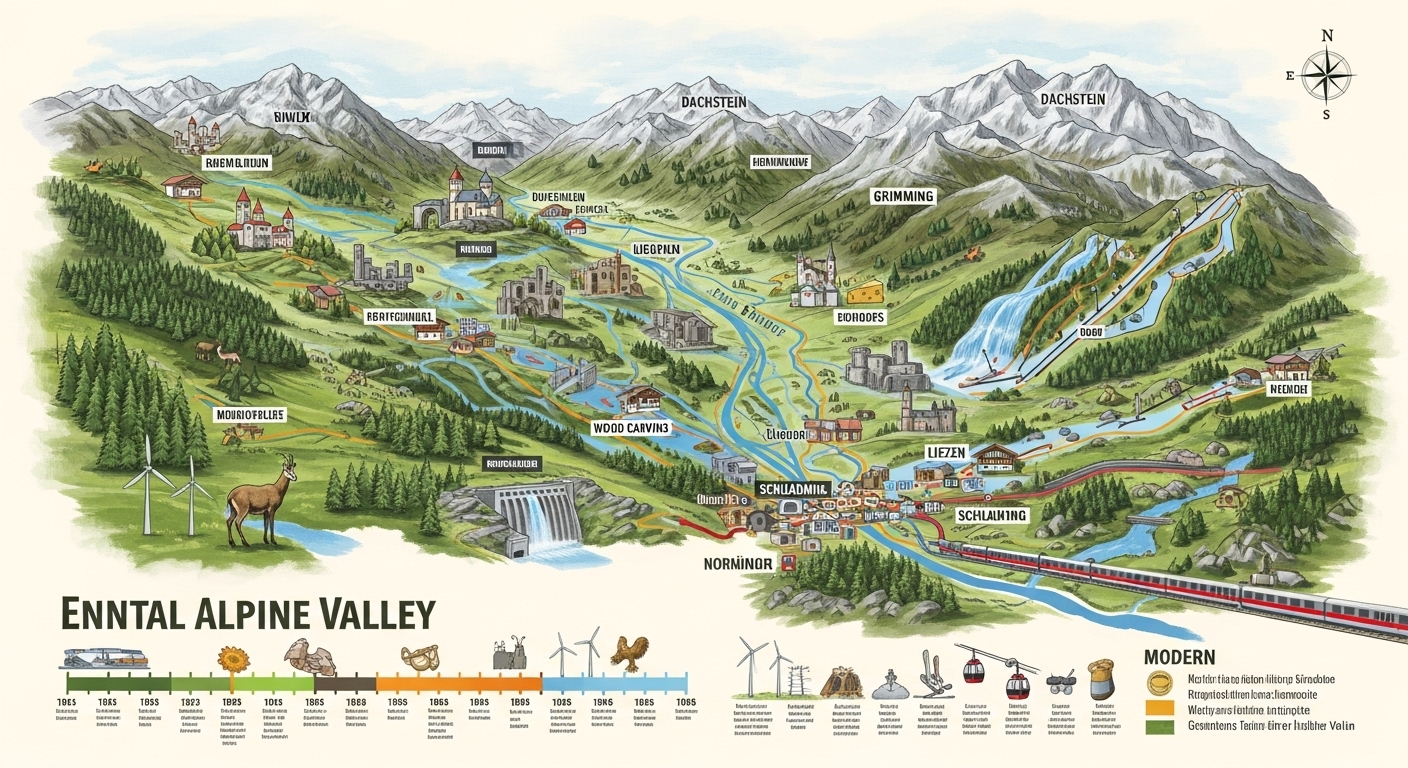
Enntal is a fascinating region that blends natural beauty, cultural heritage, and modern development into one harmonious landscape. Known for its scenic alpine surroundings and deep-rooted traditions, enntal continues to attract attention from travelers, historians, and nature enthusiasts alike. This article provides an in-depth exploration of enntal, covering its geographical features, historical background, cultural importance, economic role, and future potential in a rapidly changing world.
Understanding Enntal and Its Geographic Identity
Enntal is located in the Alpine region, where valleys, rivers, and mountain ranges shape both the land and the lifestyle of its inhabitants. The name itself reflects a strong connection to the Enns River, which has played a vital role in shaping settlement patterns and economic activities over centuries. The geography of enntal is defined by fertile valley floors, forested slopes, and dramatic alpine peaks.
The unique terrain has influenced agriculture, transportation, and tourism development. Villages in enntal are typically nestled along riverbanks or gentle slopes, offering protection from harsh weather while maintaining access to natural resources.
Historical Background of Enntal
The history of enntal stretches back to ancient times, with archaeological evidence suggesting early human settlement due to the availability of water and arable land. Over the centuries, enntal developed as an important corridor for trade and migration through the Alps.
During the medieval period, enntal became a strategic region for commerce and defense. Castles, monasteries, and market towns emerged, many of which still define the architectural character of the valley today. These historical layers contribute to the cultural richness that makes enntal distinctive.
Cultural Traditions and Identity in Enntal
Cultural life in enntal is deeply influenced by alpine traditions, seasonal rhythms, and community values. Folk music, traditional clothing, and regional festivals play a significant role in preserving local identity. These customs are not merely preserved for tourism but remain an active part of everyday life.
Language and dialects spoken in enntal also reflect historical influences from neighboring regions. This linguistic diversity adds depth to the cultural landscape and strengthens the sense of belonging among residents.
Natural Environment and Biodiversity of Enntal
The natural environment of enntal is one of its greatest assets. Alpine meadows, dense forests, and clear rivers create habitats for a wide variety of plant and animal species. Conservation efforts in enntal aim to balance human activity with ecological preservation.
The following table highlights key environmental features found in enntal and their significance within the region:
| Environmental Feature | Description | Regional Importance |
|---|---|---|
| Alpine Meadows | High-altitude grasslands | Supports biodiversity |
| Forest Ecosystems | Mixed conifer and deciduous forests | Climate regulation |
| River Systems | Fed by alpine snowmelt | Agriculture and energy |
This ecological diversity makes enntal an important region for environmental research and sustainable tourism.
Economic Life and Development in Enntal
The economy of enntal has traditionally relied on agriculture, forestry, and small-scale trade. Farming practices evolved to suit alpine conditions, with dairy production and livestock grazing playing central roles. Over time, modernization introduced new industries while maintaining respect for traditional livelihoods.
Tourism has become an increasingly important economic driver in . Visitors are drawn by hiking trails, winter sports, and cultural experiences. The region’s ability to integrate tourism without losing authenticity is a key factor in its long-term economic stability.
Enntal as a Tourism Destination
Tourism in focuses on sustainable and experience-based travel rather than mass tourism. Visitors seek meaningful connections with nature and local culture. Seasonal tourism allows to offer diverse activities throughout the year, from skiing in winter to hiking and cycling in summer.
The table below illustrates how tourism activities vary by season in enntal:
| Season | Main Activities | Visitor Experience |
|---|---|---|
| Winter | Skiing and snowshoeing | Alpine adventure |
| Spring | Nature walks and festivals | Cultural immersion |
| Summer | Hiking and cycling | Scenic exploration |
| Autumn | Harvest events | Local traditions |
This seasonal balance helps distribute economic benefits while reducing environmental pressure.
Architecture and Settlement Patterns in Enntal
Architecture in reflects both practicality and aesthetic harmony with the landscape. Traditional alpine houses feature wooden structures, sloped roofs, and decorative elements that protect against weather while showcasing craftsmanship.
Modern construction in increasingly incorporates sustainable materials and energy-efficient designs. This blend of tradition and innovation ensures that development respects the region’s character while meeting contemporary needs.
Education and Community Life in Enntal
Community life in is built around strong social networks and shared responsibilities. Local schools, cultural centers, and volunteer organizations contribute to a high quality of life. Education emphasizes regional history and environmental awareness, ensuring that younger generations value their heritage.
Community events and local initiatives strengthen social cohesion. These activities play a crucial role in maintaining the unique identity of in an increasingly globalized world.
Challenges Facing Enntal Today
Despite its many strengths, faces challenges related to climate change, demographic shifts, and economic transformation. Melting snowpacks and changing weather patterns impact agriculture and tourism. Population changes require adaptive strategies to maintain services and infrastructure.
Addressing these challenges requires collaboration between local authorities, residents, and external partners. Sustainable planning and innovation are essential for preserving enntal’s natural and cultural assets.
The Future Outlook of Enntal
The future of depends on its ability to balance tradition with progress. Sustainable tourism, renewable energy initiatives, and environmental conservation projects offer promising pathways forward. By leveraging its unique strengths, can remain resilient in the face of global change.
Investments in education, infrastructure, and digital connectivity also play a role in shaping a positive future. These efforts ensure that continues to thrive while preserving its distinct identity.
Why Enntal Continues to Matter
represents more than a geographic location; it is a living example of how humans can coexist with nature while honoring history and culture. Its landscapes, traditions, and community values offer lessons in sustainability and resilience.
As interest in authentic and meaningful places grows, stands out as a region that successfully integrates past, present, and future. Understanding provides valuable insight into alpine life and the broader relationship between people and their environment.
Final Thoughts on Enntal
is a region shaped by nature, history, and human creativity. From its alpine geography to its vibrant cultural traditions, offers a rich and multifaceted story. By embracing sustainable development and cultural preservation, continues to inspire visitors and residents alike.
This comprehensive look at highlights why it remains a significant and compelling region in today’s world, offering both beauty and meaning to those who explore it.